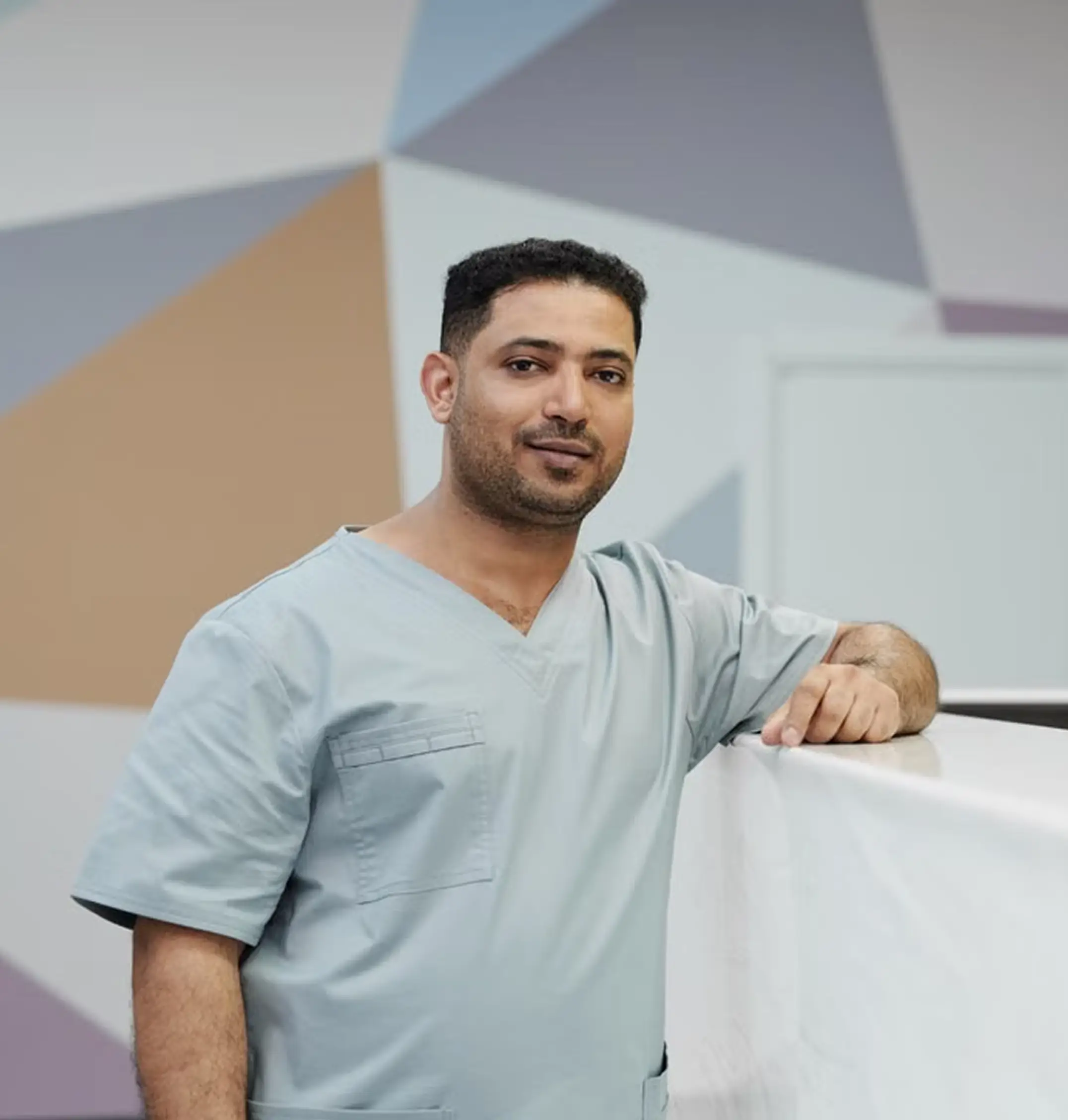
Dr. Mrina Somo
Newborn checks, childhood illness, growth tracking, and vaccination schedules.

Children rarely describe symptoms the way adults do, so a paediatric appointment often starts with what a parent has noticed at home. A change in appetite, sleep, mood, or energy can matter as much as a temperature reading. You do not need medical language to explain any of it. Plain observations are enough to work with.
Search by Specialty or Care Need
Before the visit, write down the main reason you are booking. Note what your child is experiencing, when it started, how often it happens, whether it is getting better or worse, and how it affects feeding, sleep, school, or play.
Bring the child health record if you have one, along with a list of any medicines, drops, or supplements currently being given. If another clinic has already seen your child for this issue, a short note of what was said saves repeating tests unnecessarily.
It also helps to think about what you most want answered. Parents often leave with the medical question resolved but the practical one forgotten, such as when a child can return to school or what warning signs mean a second visit is needed.
Consultant Paediatrician & Child Health Specialist
Dr. Mrina Somo is a consultant paediatrician who cares for children from the newborn period through adolescence. Her practice covers common childhood illness, developmental assessment, and immunisation planning, with a calm, unhurried style that keeps young patients comfortable during examination. She explains findings to parents in clear language and makes sure families leave knowing exactly what to watch for at home.
About Dr. Mrina Somo
Dr. Somo has spent her career working with children and the families around them, believing that good paediatric care depends as much on listening to parents as on examining the child. She has managed a wide range of childhood conditions, from routine infections to more complex developmental concerns, and places particular emphasis on early detection. Her approach is to build enough trust in the first visit that families feel comfortable returning early rather than waiting.
Growth & Development Monitoring
Growth and development monitoring tracks how a child is progressing against expected milestones for their age, covering height, weight, motor skills, speech, and social development. Regular review makes it possible to spot a delay or a change in pattern early, when support is most effective. Each assessment is discussed with parents in context, so the numbers on a chart are explained rather than simply recorded.
Childhood Immunisation Planning
Immunisation planning gives families a clear schedule of which vaccines are due, when they should be given, and what to expect afterwards. Missed or delayed doses are reviewed and a catch-up plan is arranged where needed. Parents are welcome to ask questions about any vaccine before it is given, and every appointment allows time for that conversation without pressure.

.webp)
Preventive medicine, ongoing condition management, and complex health concerns.

Heart health screening, cardiac diagnostics, and long-term cardiovascular care.